A guide to finding healthy poultry
If you’re like me then you have likely lived many years none the wiser about the quality of your chicken or eggs. Why would it matter? Why should we worry about it? Won't chicken farmers always use what is best for their animals?
In short, no. The difference in the health and quality of poultry sold to consumers is night and day depending on how they were raised.
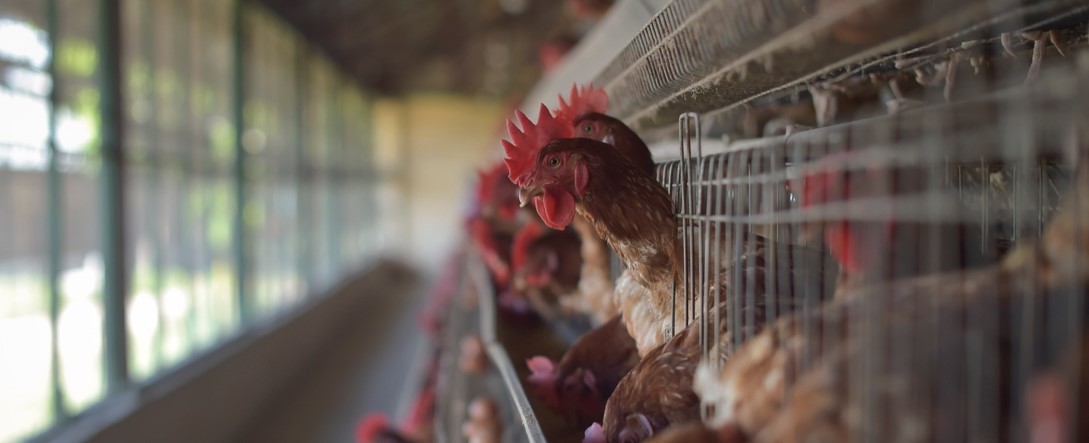
Battery Chickens
These animals spend their entire lives within a cage, with minimal allowance for movement and little to no direct sunlight for the entirety of their lives. Not once are they free to roam, fed appropriate foods, or happy.
These are sold to millions of consumers. They are found in fast food chains, low-end restaurants and supermarkets. The cheapest chicken you can find will likely be these animals living to the lowest possible standard. These animals are not healthy, and should not be consumed.
So why are they sold in abundance still?
Because of two things: cost and demand.
Free Range
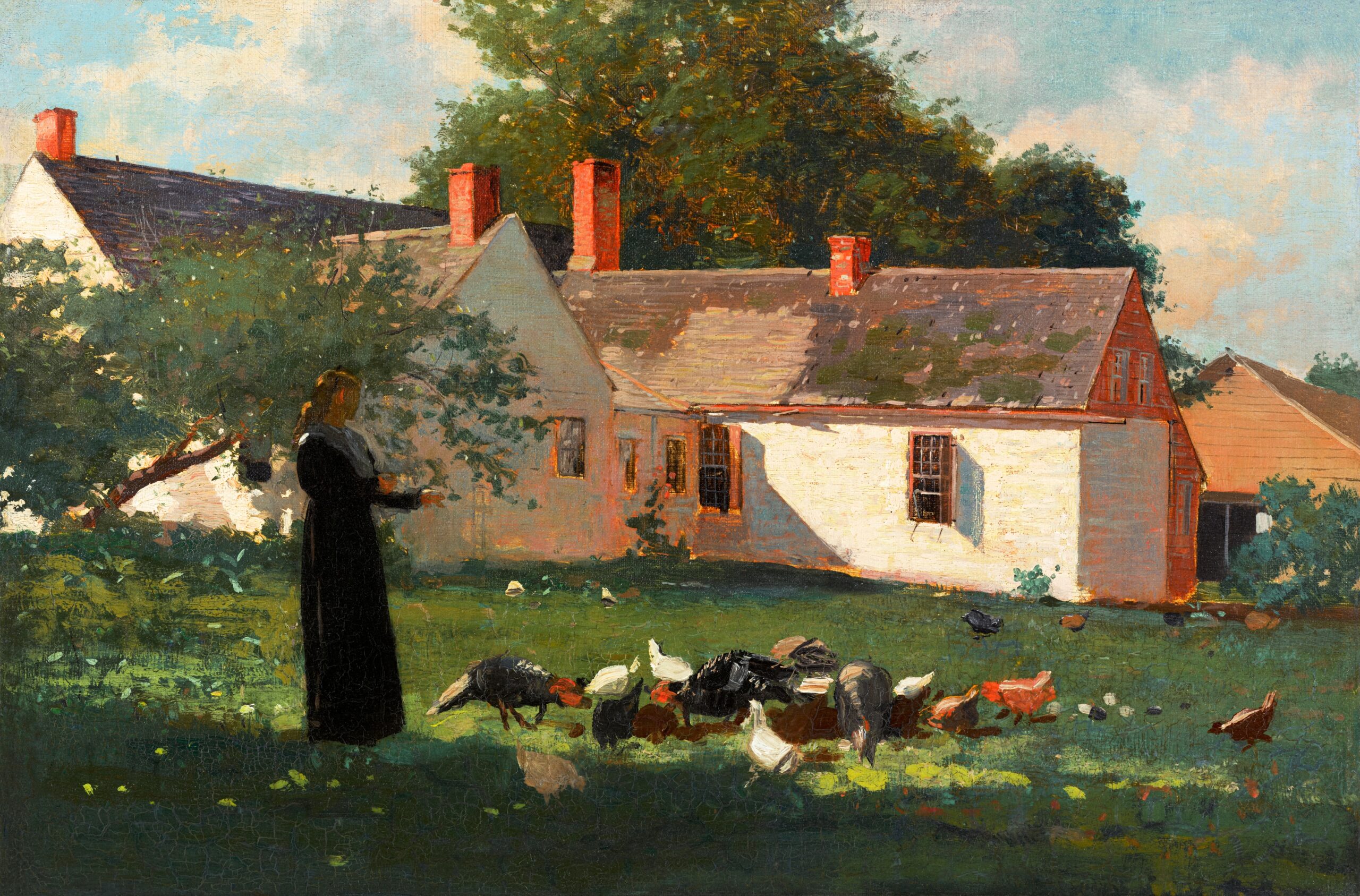
These chickens are most free to roam outside and fed more appropriate foods for their system. They are a better, healthier option than battery hens without a doubt.
However, free range does not guarantee that they are completely free to roam. Nor does it mean they are fed organic matter. Is it a step up from battery hens? Absolutely. Is it the best, healthiest option? No.
Organic
Organic is by far the best choice in the supermarket (bar pasture raised). The problem is that soy is considered organic feed and that is damaging for chickens and humans alike. The prices also tend to skyrocket when going for organic too.
Pasture Raised
The best on the market. These birds are fed their natural diet, free to roam outside in the sun and live their best lives. Always go for pasture raised if they are available.
Why most chickens aren't healthy
Due to the demand and ever-raising costs of feed, many farmers have had to settle for cheaper alternatives just to stay afloat or, they want high profit margins. This is where the issues seep in.
An example of this would be in the early 2000’s when it was discovered that much of the feed provided for chickens was laced with arsenic, a grade 1 carcinogen. This was used as an antibiotic to keep insects and rodents from eating feeds (they had more sense than the chickens!) These antibiotics cannot break down, leaving synthetic residues to store in the meat of the chicken which humans then consumed. This had been fed to chicken since the 1940's.
While we thankfully no longer have to worry about arsenic being intentionally fed to our chickens, we still must be mindful to ensure we are purchasing the highest grade quality that we can find to avoid such risks.
The sad truth is that clean and healthy chickens are a rare find without speaking to farmers directly.
Labelling is also a problem.
Eggs and poultry can be labelled organic, provided that the feed for the chickens is organically grown. Technically, soy can be classed as organically grown, even though it is highly processed with chemicals before it is used for feed.
It's a farce, but the reality we are facing.
So how do we ensure the healthiest quality poultry? There are two steps.
Step one: Seek out a source for pasture raised chickens
Step two: Speak with the farmers directly and develop a relationship with them
The only way to truly be sure is to ask for yourself.
Ask what they are fed and any medicines that they may have been treated with.
If they avoid soy and feed their chickens raw scraps for their protein, you’re onto a winner.
Chickens are omnivorous scavengers after all, they’ll eat anything.
What they thrive on is raw meat scraps, bugs, corn and other grains.
These help create delicious, nutrient dense and health promoting meat and eggs.
Just like with any animal, the closer chickens are to their natural diets in the wild, the healthier, happier and less disease-ridden they will be.
If you want to take your health into your own hands, it is imperative to reduce your consumption of toxic, unhealthy and unhappy animals.
Stop polluting your body and mind with poor quality food.
When you source high quality, locally grown produce, you take money out of the corporate agricultural meat processing plants that treat animals awfully, and you give it to local, independent farmers that care about having healthy, happy chickens.
It’s a no brainer.
To recap:
- Chickens have been fed carcinogens in the past, with little done by agencies to stop it.
- Chickens are still fed awful feed like soy, increasing their chance of disease.
- Terms like ‘free range’ and ‘organic’ cannot be trusted at face value.
- Pasture raised and direct contact with the farmer is the only way to know the quality.
- Chickens thrive on their natural omnivorous raw diet, not hyper processed garbage.
We've all witnessed the inflation and supply chain failures for eggs in recent years. I suspect this issue will happen again and it'll be worse next time.
You must protect yourself from future shortages and inflation. Get to know your supplier directly.
To maintain good health and clean food, we must form meaningful connections with people who respect and believe in the correct way to raise and tend to animals.
We must do what we can do show our support and ensure the survival of local and organic producers, because if they weren't around, our health would diminish drastically.
If you can’t find someone in your local area to buy from, consider this a sign that you might just have to get yourself some chickens, for the greater good.
Thank you.
